Posts

Residential Design-2

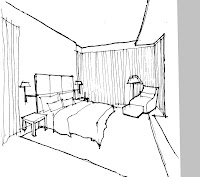
Formal Public Zone - The Foyer - Access & Feng shui - Sets the tone - Availability of powder room or mirror or closet - Character of a transitional space - The Living Room - Easy flow from foyer - Placement away from major circulation - Planned for conversation & recreation - Focal point & furnishing - Lighting & mood - Basic system - The Dining Room - Formal dining - Food preparation area conveniently located nearby - Seeting & finishes, features etc..... Informal Public Zone - The Kitchen - Screened from the view of public generally - Working centers-refrigerator & storage: sink area & cooking area - Working counter surface - Appliance & utensil storage - Food storage - Breakfast Room - For informal eating & quick snacks - Bars, counters & stools - By window or in alcove - Family Room / Den or Study - Relaxed mood - Sufficient storage & built-ins - Flexible space for a variety of recreational activities - Utility Roo...
Residential Design

Image
Programming & Planning -Site - Context - Orientation - Cross Ventilation - Occupants & Users - Scope of works. The inclusion of fixed & loose fitment. - Spatial requirements other design disciplines. - Budget. Establishing the standards required & affordable under the project. Priority & Apportionment of the budget for systems, fitment, furnishing & finishes, features etc... -Integration of the required building services under the project. Includes -Basic system -Appliances -Sensory features - lighting, sounds & smell -Building code requirements -Household shelter -Fire compartments & rating -Ventilation & exhaust system -Percentage of natural lighting & ventilation -Storage, fitment & furnishing requirements -Scope, concept & style preference

Exhibition Design

Image
Exhibition Design Design Process -Telling a story -Concept development -Design development -Materials -Media and technology -Lighting and acoustic design -Exhibition design and the environment -Documentation Telling a story -All exhibitions have one important thing in common; they all tell a story. -Creates a story from four elements; a narrative, a narrator, a path, and a context. - Narrative : to determine the message that they wish to tell the audience. The message becomes a story with a clear beginning, middle, and end. - Narrator : a narrator is needed to drive the story forward. The narrator can be created using any number of mediums, such as text, graphics, or technology. Most exhibitions employ multiple narrative mediums. - Path : The path gives the story its structure, transforming the narrative into a three-dimensional space, which brings the story to life for each visitor. -The space must be organized into a sequence that relates to the story and visitors who will experience...

Show Rooms

Image
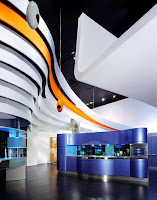
Show Rooms -Showrooms are designed to display a company’s products. -Generally, they are not accessible to the public. -Showrooms are designed to last an average of one to five years at a permanent location. -Showrooms need to be design with flexibility as the exhibit such as display cases, tables, and shelves will be relocated or changed according to the seasons and trends. -Lighting plays a critical role in zoning out spaces, so it can help to make a space flexible. Samples References - What is exhibition design? Jan Lorenc / Lee Skolnick / Craig Berger - Exhibition Design Arian Mostaedi

Trade Shows

Image
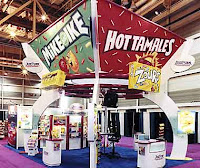
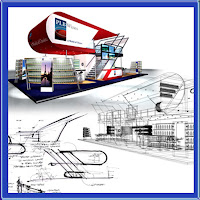
Trade Shows -Trade shows present and organization’s products and services. -They are targeted at a specialized audience purchasers and industry. -The designs need to communicate the message to the audience very quickly and bluntly, and the amount of content is generally low. -Trade show design can be fast-paced. The process can be as short as two months for both design and build on a large-scale project. -In contrast to museums, trade shows are market-driven, can plan for these changes dynamically through the use. Samples References - What is exhibition design? Jan Lorenc / Lee Skolnick / Craig Berger - Exhibition Design Arian Mostaedi

Corporate Museum

Image
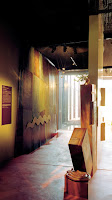
Corporate museums -Typically located in a company’s headquarters or a major manufacturing plant and to display a corporation’s story and philosophy. -The museums can target a niche audience, such as company staff and clients, general public. -Design of corporate displays can follow the techniques commonly used in art museums. -Most corporations are continually evolving, so it needs to be flexible and adaptable. -Designers can plan for these changes dynamically through the use of multimedia and computer. Sample References - What is exhibition design? Jan Lorenc / Lee Skolnick / Craig Berger - Exhibition Design Arian Mostaedi - www.dezeen.com

Visitor Center

Image
Visitor Center -Most broad category of public centers. It can overlap with corporate or institutional museums. -It attract a very wide range of people and the space has to be designed accordingly. -Can be presented like a book. -The path of the visitor must be managed, destinations need to be focused, and sound needs to be controlled. -A visitor center can be browsing environment where parts of the story are open to passing traffic. Samples References - What is exhibition design? Jan Lorenc / Lee Skolnick / Craig Berger - Exhibition Design Arian Mostaedi - http://architectook.net - www.microsoft.com